
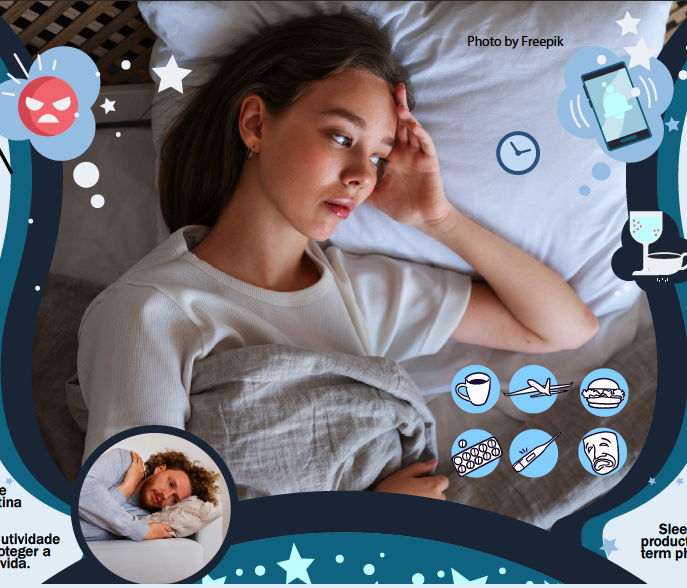
THE MODERN SLEEP CRISIS
Have you been sleeping well, or simply closing your eyes for a few hours?
In today’s fast-paced world, sleep is no longer a priority. It competes with deadlines, screens and constant stimulation. What was once a natural pressure and ongoing concerns.
International research shows that sleep deprivation has become a global public light emitted by smartphones and computers, interferes with the production
of melatonin, the hormone responsible for regulating the sleep cycle. Chronic stress, anxiety and extended work hours further reduce the ability to achieve
deep, restorative sleep. The consequences extend far beyond morning fatigue. Ongoing poor sleep has been linked to hormonal imbalances, increased appetite, weight gain, weakened immunity and reduced concentration. Over time, persistent sleep deprivation may contribute to cardiovascular disease, insulin resistance and mental health challenges.
Beyond the number of hours slept, quality matters just as much. Frequent interruptions, excessive noise, improper lighting or an unsuitable sleep environment can disrupt the deeper stages of rest, which are essential for physical and mental recovery. The body relies on consistent patterns to maintain
a stable circadian rhythm.
Experts recommend maintaining regular sleep schedules, limiting screen use at least one hour before bedtime, keeping the bedroom dark and quiet, and improve sleep quality.
Sleep is not a luxury; it is a biological necessity. In a culture that often prioritizes constant productivity, protecting sleep may be one of the most strategic decisions for sustaining longterm physical and emotional well-being.